
Induction
Induction
Section titled “Induction”Source: http://www.babycenter.ca/a173/induced-labour-101

- Community
- Getting Pregnant
- Ovulation calculator
- Am I pregnant quiz
- When to take a pregnancy test
- Best sex positions
- Top signs of pregnancy
- How soon after your period can you get pregnant?
- How age affects fertility
- What do fertility treatments cost?
- What fertile cervical mucus looks like
- Can you choose your baby’s sex?
- How long will it take to conceive?
- See all in Getting Pregnant
- Pregnancy
- How big is my baby?
- Due Date Calculator
- Conception Date Calculator
- Your baby’s movements
- Symptoms you should never ignore
- Hospital bag checklist
- How your baby’s developing
- Signs of labour
- Sick leave in pregnancy
- Baby gender predictor
- Spotting and bleeding in pregnancy
- Nuchal translucency (NT) scan
- Fetal growth chart
- See all in Pregnancy
- Baby Names
- Baby
- Toddler
- Preschooler
- Québec
- 16 symptômes à ne jamais ignorer pendant la grossesse
- Les moyens naturels pour déclencher le travail
- Symptômes à ne pas négliger après la naissance
- Les selles de votre bébé : ce qui est normal et ce qui ne l’est pas
- Rougeurs et problèmes de peau en images
- La respiration de votre bébé la nuit : ce qui est normal et ce qui ne l’est pas
- Instaurer de bonnes habitudes de sommeil : de 0 à 3 mois
- Instaurer de bonnes habitudes de sommeil de 3 à 9 mois
- Quelle quantité de lait mon bébé devrait-il boire ?
- Les plus beaux prénoms unisexes
- Voir tout dans Québec
- Life as a parent
- Popular Searches
- C-section hospital bag
- Clomid
- Baby shower gifts
- Car seat laws
- Baby growth chart
- Maternity leave
- When to stop sterilizing bottles
- Edibles and breastfeeding
- Ear infections in babies
- When to switch baby to whole milk
- Do babies need passports?
- How to dress baby in winter
- When to tell work you’re pregnant
- When to stop diapers at night
- Can you eat tuna while pregnant?
- How much formula do babies need?
- Dating ultrasound
- Best breast pump
- Birth plan
- Chinese gender calendar
- Swimming with your baby
- Indian baby names
- Fever in babies
- Molluscum contagiosum
Induced labour 101
Section titled “Induced labour 101”Medically reviewed by Andrea Lennox, RM, Registered midwife

Written by Katie MacGuire | en français

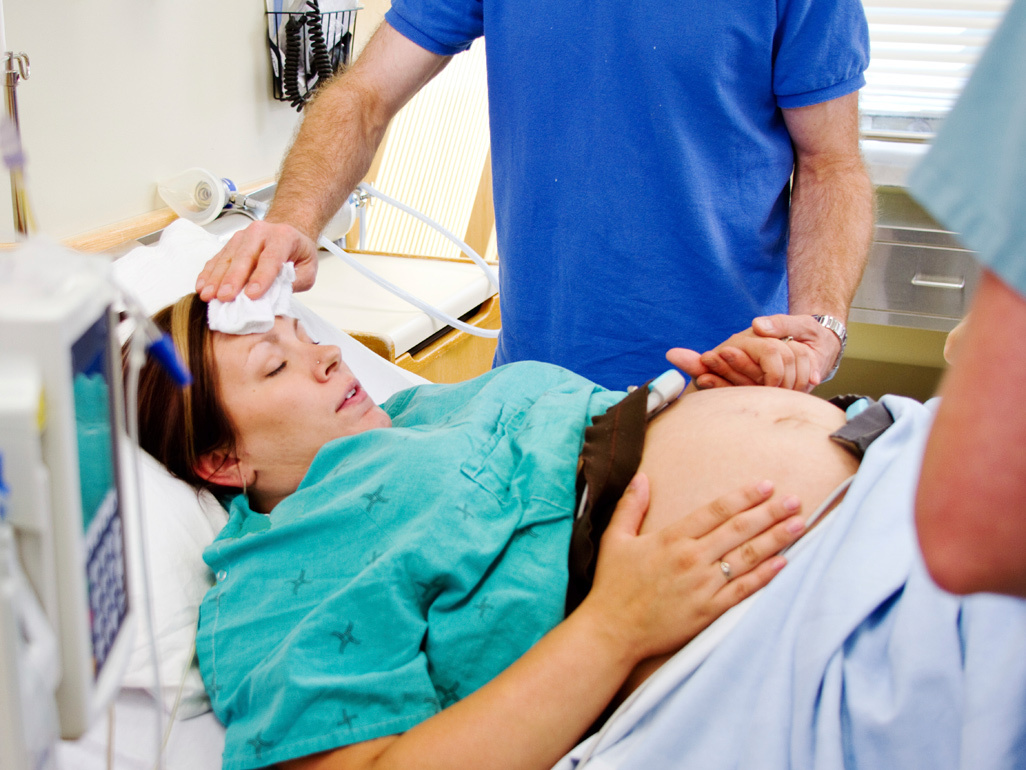
Photo credit: BabyCenter community member
- What does it mean to induce labour?
- Why might my labour need to be induced?
- What are the risks associated with induced labour?
- How will my labour be induced?
- Planning your induction
- Take our quiz
What does it mean to induce labour?
Section titled “What does it mean to induce labour?”Most labours begin naturally (MIDIRS 2008: 2). Although it’s usually best to let nature take its course, sometimes the birth process may need a little help. Labour is “induced” when it is started artificially. You will be offered an induction if the risks of prolonging your pregnancy are more serious than the risks of delivering your baby straight away.
If you or your baby’s health is not a concern, then some communities go by a standard cut off date for induction. For example, many doctors and midwives will start to schedule inductions about ten days after your due date. These induction dates are usually a little flexible and depend on how busy your maternity ward or midwife clinic is that week. You may find that midwives will give you a little more time than doctors but that really varies from practice to practice.
Advertisement | page continues below
Why might my labour need to be induced?
Section titled “Why might my labour need to be induced?”You are likely to be offered an induction if:
- Your pregnancy has gone beyond 41-42 weeks and is considered overdue. You’ll usually be offered an induction sometime between 41 and 42 weeks to prevent your pregnancy continuing beyond this time.
- Your waters have broken, but labour hasn’t started. Most women go into labour within 24 hours of their waters breaking (Savitz et al 1997). If this doesn’t happen to you, there is a risk that you or your baby could develop an infection so you will probably be offered an induction. (NCCWCH 2008a: 33) If you have tested positive for Group B streptococcus (GBS), you will likely be induced within three to six hours if labour has not yet begun.
- You have diabetes - provided your baby is growing normally, it’s recommended that you’re offered an induction.
- You have a chronic or acute condition, such as pre-eclampsia (RCOG 2006: 7) or kidney disease, that threatens your well-being or the health of your baby.
- There are concerns about the well-being of your baby after you do a non stress test or during a bio-physical profile with an ultrasound.
Some women ask for their labour to be induced for personal reasons, such as their partner is about to be posted abroad with the armed forces and would otherwise miss the birth. Other women may request an induction because they are worried about a previous stillbirth or complications in their current pregnancy. These requests are considered on an individual basis and are generally not encouraged (SOGC 2001).
What are the risks associated with induced labour?
Section titled “What are the risks associated with induced labour?”Inductions are essential if you or your baby’s health is a concern. The induction procedures do carry risks though. Some of the risks associated with inductions include:
- An increase in your chances of having a vacuum, forceps, or caesarean delivery.
- Stronger than natural contractions or uterine activity.
- Your baby may have an abnormal heart rate over the course of your labour.
- You are at greater risk of a uterine rupture (SOGC 2001).
Advertisement | page continues below
How will my labour be induced?
Section titled “How will my labour be induced?”There are a number of methods your doctor can use to try to get your labour started. Some may need to be repeated, or you may need to try more than one before your labour begins. If you have a midwife, you may find that she has a limited number of induction options that she is able to offer. The options available to midwives vary across communities and provinces. Talk to your doctor or midwife about what method is available and most suitable for you.
The method of induction you are offered will depend on the whether your cervix is “ripe” or ready for contractions to begin or whether your cervix first needs help thinning out.
Here are some cervical ripening and induction options available in most Canadian communities:
Membrane sweep
What is it? A membrane sweep often helps to both ripen the cervix and to stimulate labour and is now offered routinely to women between 38 weeks to 41 weeks (SOGC 2008).
Advertisement | page continues below
What happens if I have a membrane sweep? The membranes that surround your baby are gently separated from your cervix. A midwife or doctor can carry out this procedure during an internal examination. You may be offered two or three membrane sweeps before moving onto other methods of induction.
Risks It can be uncomfortable if your cervix is difficult to reach. You should be given a chance to ask questions or read information about the procedure before it’s carried out. You may need to have several membrane sweeps before you know whether or not it has been successful. Some women find membrane sweeps to be painful. Relaxing your muscles as much as possible during this procedure can reduce the pain.
Prostaglandin
What is it? Prostaglandin is a hormone substance, which helps ripen the cervix before contractions start.
What happens if I am given prostaglandin? Your doctor will insert some form of the hormone prostaglandin into your vagina to ripen your cervix. You may be monitored for a few hours after the prostaglandin is inserted and then sent home. However, some hospitals require that you be admitted with this procedure. Your midwife will likely be trained in this procedure but whether she is allowed to administer prostaglandin varies across hospitals and provinces.
Advertisement | page continues below
Risks Vaginal prostaglandin is the most commonly recommended method to ripen the cervix because it often works better and has fewer disadvantages than other methods. There is a risk of “uterine hypertonus” or “uterine hyperstimulation” from this hormone, which is why some hospitals require monitoring or even admission after you are given any prostaglandin.
Foley Catheter
What is it? A Foley catheter is a device that is inserted into your vagina and then inflated with water, kind of like a balloon, to help stretch your cervix.
What happens if I am given a Foley catheter? A small catheter will be inserted into the outside layer of your cervix and will then be inflated with sterile water. The Foley catheter will be left in your vagina until it falls out on its own or for up to 24 hours.
Risks The risks associated with the Foley catheter are similar to those associated with the use of prostaglandin (SOGC 2001).
Advertisement | page continues below
Artificially rupturing the membranes (ARM)
What is it? ARM is sometimes called “breaking the waters”. Breaking your waters is occasionally used as a method of induction, but some doctors or midwives may use it to speed labour up.
What happens if my waters are broken? This procedure can be done during an internal examination. A doctor or midwife makes a small break in the membranes around your baby using either an amniohook (a long thin probe which looks a little like a fine crochet hook) or an amnicot (a medical glove with a pricked end on one of the fingers). This procedure often works when the cervix feels soft and ready for labour to start.
Risks Artificial rupture of the membranes (ARM) does not always work, and, once your waters have been broken, your baby could be at risk of infection. If your doctor suspects an infection, she will give you antibiotics.
Pitocin
Advertisement | page continues below
What is it? Pitocin is a synthetic form of the hormone oxytocin. You would likely be offered Pitocin if your labour hasn’t started following a membrane sweep, after your waters have broken, or to augment your labour if it’s moving slowly. In most communities, this procedure requires a transfer of care from a midwife to a doctor. Midwives are trained in administering pitocin so it is worth asking your midwife what the norm is in your area.
What happens if I am given Pitocin? You will be given the Pitocin through an intravenous “drip”, allowing the hormone to go straight into your bloodstream through a tiny tube into a vein in your arm. Once contractions have begun, the rate of the drip can be adjusted so that contractions happen often enough to move labour along, without becoming too powerful. Your baby will be monitored after you receive Pitocin.
Risks Pitocin can cause strong contractions and put your baby under stress, so you will need to be monitored continuously.
There is a very small risk that Pitocin, may cause your uterus to become over stimulated or hyper stimulated. Hyper stimulation of the uterus seriously reduces the oxygen supply to your baby. Drugs can be used to stop or slow down the contractions if this happens.
In a worst-case scenario, hyper stimulation can cause your uterus to rupture (tear). This is more likely to happen if you are having a “trial of labour” following a previous caesarean section. (Read more about vaginal birth after a caesarean, also known as VBAC.)
Advertisement | page continues below
Some women also say that the contractions brought on by Pitocin are stronger than natural ones, so you may choose to have an epidural for pain relief.
There is some evidence that you are more likely to need instruments such as forceps or vacuum to help deliver your baby, following an induction (MIDIRS 2008: 10), whatever method is used. This may be due to complications in the pregnancy that led to the induction and/or it may be due to problems caused by the induction itself.
Planning your induction
Section titled “Planning your induction”Take some time to talk to your doctor or midwife. You have a choice about whether or not to have an induction and about what methods are used from the start. Your midwife or doctor may suggest that one method is better than another, depending on how soft and ready for labour your cervix is.
Cervical ripeness is assessed using what’s called the Bishop Score, which gives your cervix a mark out of 10 based on its condition. A score of 8 or more indicates that your cervix is “ripe” and ready for labour. Midwives use the Bishop Score before induction begins and to see whether any progress has been made after different methods of induction have been used.
The ripeness of your cervix affects how successful induction is likely to be; the riper it is the more chance there is that you’ll go into labour.
Advertisement | page continues below
About 15 per cent of inductions started with an unripe cervix fail (NCCWCH 2008a: 77). In these circumstances, your doctor will discuss your options with you to help you decide whether to carry on trying, either with stronger interventions or at a later time, or to have a caesarean. Take some time to think about what you may prefer to do if this happens to you.
Consider what pain relief you would like if the induction works and makes your contractions very strong and difficult to cope with.
Also see our article on natural methods of inducing labour.
Take our quiz
Section titled “Take our quiz”Labour and birth is a natural process for many women but sometimes a bit of help is needed. Take our quiz to test your knowledge about labour interventions.

See what being induced is really like.
Was this article helpful?

Yes

No


Track your pregnancy on our free #1 pregnancy & baby app

Sources
Section titled “Sources”BabyCenter’s editorial team is committed to providing the most helpful and trustworthy pregnancy and parenting information in the world. When creating and updating content, we rely on credible sources: respected health organizations, professional groups of doctors and other experts, and published studies in peer-reviewed journals. We believe you should always know the source of the information you’re seeing. Learn more about our editorial and medical review policies.
Dare MR, Middleton P, Crowther CA, Flenady V, Varatharaju B. 2006. Planned early birth versus expectant management (waiting) for prelabour rupture of membranes at term (37 weeks or more). Cochrane Database of Systematic Reviews. Issue 1. Art. No.: CD005302 www.mrw.interscience.wiley.comOpens a new window [Accessed March 2009]
Heath PT, Balfour G, Weisner AM, et al. 2006. Group B streptococcal disease in UK, Irish infants younger than 90 days. Lancet. 363(9405):292–4.
MIDIRS. 2008. Prolonged Pregnancy - for professionals. MIDIRS Informed Choice. 12.
NCCWCH. 2007. Intrapartum care: care of healthy women and their babies during childbirth. National Collaborating Centre for Women’s and Children’s Health. London: RCOG Press. www.nice.org.ukOpens a new window [pdf file 3.09MB; Accessed March 2009]
NCCWCH. 2008a. Induction of labour. Clinical Guideline. National Collaborating Centre for Women’s and Children’s Health. London: RCOG Press. www.nice.org.ukOpens a new window [pdf file 1.23MB; Accessed March 2009]
NCCWCH. 2008b. Diabetes in pregnancy management of diabetes and its complications from preconception to the postnatal period. National Collaborating Centre for Women’s and Children’s Health. London: RCOG Press. www.nice.org.ukOpens a new window [pdf file 2508KB; Accessed March 2009]
RCOG. 2006. The management of severe pre-eclampsia/eclampsia. Royal College of Obstetricians & Gynaecologists, Green Top Guideline No. 10(A). www.rcog.org.ukOpens a new window [pdf file 277KB; Accessed March 2009]
SOGC 2001. Induction of labour at term Society of Obstetricians and Gynaecologists of Canada. www.sogc.orgOpens a new window [pdf file, accessed Feb 2012]
SOGC 2008. Guidelines for the Management of Pregnancy at 41+0 to 42+0 Weeks Society of Obstetricians and Gynaecologists of Canada. www.sogc.orgOpens a new window [pdf file, accessed Feb 2012]
Savitz DA, Ananth CV, Luther ER, Thorp JM. 1997. Influence of gestational age on the time from spontaneous rupture of the chorioamniotic membranes to the onset of labor. Am J Perinatol. 14:129–33.

Katie MacGuire is an award-winning journalist and entrepreneur. She created an extensive library of evidence-based maternal health articles for BabyCenter Canada.
Opens a new window Opens a new window
Where to go next
Section titled “Where to go next”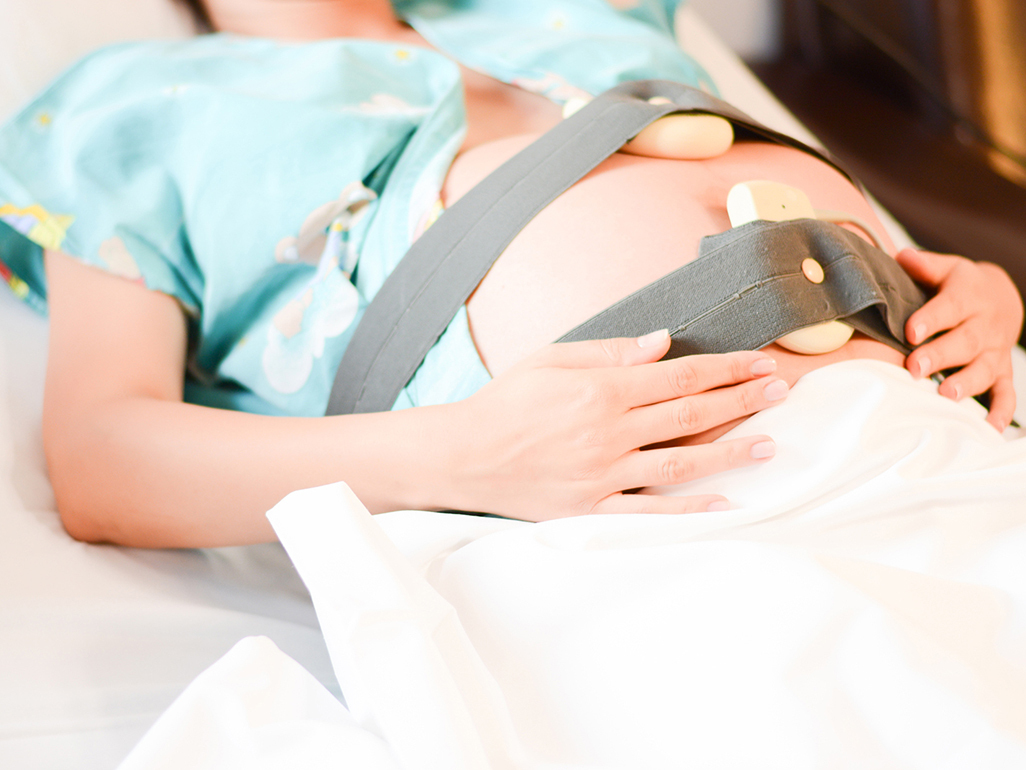 Speeding up labourReviewed by Andrea Lennox, RM, Registered midwife
 EpisiotomyReviewed by Andrea Lennox, RM, Registered midwife
 How much do you know about labour interventions?
 Premature labour and birthReviewed by Andrea Lennox, RM, Registered midwife
 Induced labour 101Reviewed by Andrea Lennox, RM, Registered midwife
 Vaginal birth after caesarean (VBAC)Reviewed by Andrea Lennox, RM, Registered midwife
 Induction: video
 Why might I need an episiotomy during childbirth?Reviewed by Andrea Lennox, RM, Registered midwife
 Breech birthReviewed by Andrea Lennox, RM, Registered midwife
 Assisted birth (forceps and vacuum)Reviewed by Andrea Lennox, RM, Registered midwife
My pregnancy week by week
2weeks pregnant 3weeks pregnant
 4weeks pregnant
 5weeks pregnant
 6weeks pregnant
 7weeks pregnant
 8weeks pregnant
 9weeks pregnant
 10weeks pregnant
 11weeks pregnant
 12weeks pregnant
 13weeks pregnant
 14weeks pregnant
 15weeks pregnant
 16weeks pregnant
 17weeks pregnant
 18weeks pregnant
 19weeks pregnant
 20weeks pregnant
 21weeks pregnant
 22weeks pregnant
 23weeks pregnant
 24weeks pregnant
 25weeks pregnant
 26weeks pregnant
 27weeks pregnant
 28weeks pregnant
 29weeks pregnant
 30weeks pregnant
 31weeks pregnant
 32weeks pregnant
 33weeks pregnant
 34weeks pregnant
 35weeks pregnant
 36weeks pregnant
 37weeks pregnant
 38weeks pregnant
 39weeks pregnant
 40weeks pregnant
 41weeks pregnant
Advertisement
Advertisement