
Use of Cannabis during Pregnancy and Breastfeeding
Use of Cannabis during Pregnancy and Breastfeeding
Section titled “Use of Cannabis during Pregnancy and Breastfeeding”Source: https://www.pregnancyinfo.ca/learn-more/
Survey
Section titled “Survey”Are you currently pregnant?
Section titled “Are you currently pregnant?”Yes No
Had you thought about the risks of cannabis during pregnancy before coming to this website?
Section titled “Had you thought about the risks of cannabis during pregnancy before coming to this website?”Yes No
Did you find the information on this website useful?
Section titled “Did you find the information on this website useful?”Yes No
Will you talk to your health care provider about using cannabis during pregnancy?
Section titled “Will you talk to your health care provider about using cannabis during pregnancy?”Yes No
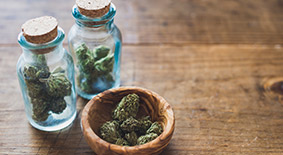
Did you know? Cannabis in all forms, and no matter how it is used, may affect your baby’s brain development and may result in learning and behavioural issues that last throughout their life. Read More

Effects on your baby Some studies have shown that the use of cannabis during pregnancy and when breastfeeding may result in fetal growth and development issues. Read More
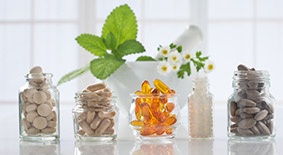
Alternative options There are alternatives to using cannabis during pregnancy for treating morning sickness, anxiety, or pain. Please speak to your health care provider about your other options. Read More
With the new legalization of cannabis in Canada, being aware of the potentially harmful effects of cannabis on a healthy pregnancy and your baby’s development is important.
Section titled “With the new legalization of cannabis in Canada, being aware of the potentially harmful effects of cannabis on a healthy pregnancy and your baby’s development is important.”While research still doesn’t give us all the answers about the effects of cannabis or CBD on pregnancy and the baby’s development, for now, the only safe amount of cannabis to use while pregnant or breastfeeding is zero.
Why take the chance?
Section titled “Why take the chance?”There is not enough clinical evidence to accurately determine the benefits or risks of using cannabis while pregnant or when breastfeeding. Among other reasons, there aren’t standard levels of THC (the main, active ingredient) in cannabis.
Pregnant and breastfeeding women may be hesitant to report if they use and how often they use cannabis, and it is very difficult to factor out the effects of also using tobacco while pregnant or when breastfeeding.
Until we have more definitive answers, not using cannabis or CBD during pregnancy or when breastfeeding is the safest option for you and your baby.
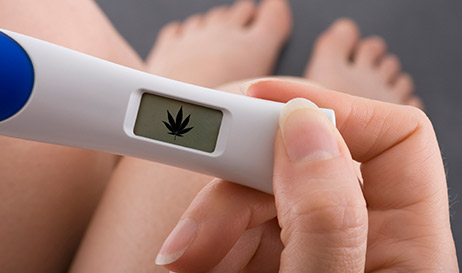
Fast Facts
Section titled “Fast Facts”Just because cannabis is legal doesn’t necessarily mean it’s safe to use during pregnancy or when breastfeeding.
Section titled “Just because cannabis is legal doesn’t necessarily mean it’s safe to use during pregnancy or when breastfeeding.”Cannabis is the most commonly used recreational drug among pregnant women.
Section titled “Cannabis is the most commonly used recreational drug among pregnant women.”70% of pregnant women believe there is a “slight risk” or “no risk” of harm from using cannabis once or twice a week during pregnancy.
Section titled “70% of pregnant women believe there is a “slight risk” or “no risk” of harm from using cannabis once or twice a week during pregnancy.”There are over 400 active chemicals in cannabis, some of which may be harmful to your fetus.
Section titled “There are over 400 active chemicals in cannabis, some of which may be harmful to your fetus.”THC crosses the placenta and may impact fetal development. THC also accumulates in breast milk, which may also affect your baby.
Section titled “THC crosses the placenta and may impact fetal development. THC also accumulates in breast milk, which may also affect your baby.”Cannabis potency has increased in the past 30 years. Today, a fetus is exposed to more THC (the main, active ingredient in cannabis). THC concentration was 3.2% in 1983, 13% in 2008, and averaged between 13 and 23% in 2016.
Section titled “Cannabis potency has increased in the past 30 years. Today, a fetus is exposed to more THC (the main, active ingredient in cannabis). THC concentration was 3.2% in 1983, 13% in 2008, and averaged between 13 and 23% in 2016.”Effects on your baby:
Section titled “Effects on your baby:”Cannabis in all forms may affect your baby’s brain development and may result in learning and behavioural issues that last throughout their life. Some studies have shown that the use of cannabis during pregnancy, and while breastfeeding, may be associated with increased risk for the following issues:
- Low birth weight
- Preterm labour
- Long-term health problems related to cardiovascular and mental health
- Short- and long-term learning, development, and behavioural issues including low IQ scores, impulsivity and hyperactivity in childhood, some of which may persist into adulthood.
We’re working hard to understand the science, but we’re just not there yet. Not using cannabis during pregnancy and while breastfeeding is the safest option for you and your baby until we know more.

The SOGC would like your feedback! Please take this short survey.
Section titled “The SOGC would like your feedback! Please take this short survey.”Take Survey
Alternative options
Section titled “Alternative options”Some alternatives to cannabis for use in treating morning sickness during pregnancy include:
- Eating small meals or snacks often so your stomach doesn’t get empty
- Eating a few dry crackers or salty potato chips to settle your stomach
- Staying hydrated and not skipping meals
To learn more, please visit: Nausea and Vomiting
If you are using medical cannabis, or considering using cannabis during pregnancy to manage nausea, anxiety or pain, we encourage you to speak to your health care provider to discuss your situation and to explore your options.
Section titled “If you are using medical cannabis, or considering using cannabis during pregnancy to manage nausea, anxiety or pain, we encourage you to speak to your health care provider to discuss your situation and to explore your options.”Resources
Section titled “Resources”Cannabis, Pregnancy and Breastfeeding Infographic
Section titled “Cannabis, Pregnancy and Breastfeeding Infographic”FAQ: Cannabis, Pregnancy and Breastfeeding
Section titled “FAQ: Cannabis, Pregnancy and Breastfeeding”Cannabis and Breastfeeding Don’t Mix Posters
Section titled “Cannabis and Breastfeeding Don’t Mix Posters”
Help Support Groundbreaking Research and Education That Saves Lives and Improves Reproductive Health for All Women.
We use cookies to improve functionality and performance. By clicking “OK” or by continuing to browse this site, you agree to the use of cookies. To find out more, visit the cookies section of our privacy policy.
OK