
Preterm Labour Booklet
Preterm Labour Booklet
Section titled “Preterm Labour Booklet”📄 Download PDF: Preterm Labour Booklet · 8 pages · 2 tables extracted · 12 images extracted
Page 1
Section titled “Page 1”Learn about the signs of preterm labour
and what to do if it happens.
Preterm
Labour
Signs & Symptoms
An important message for pregnant women,
their partners and families



Page 2
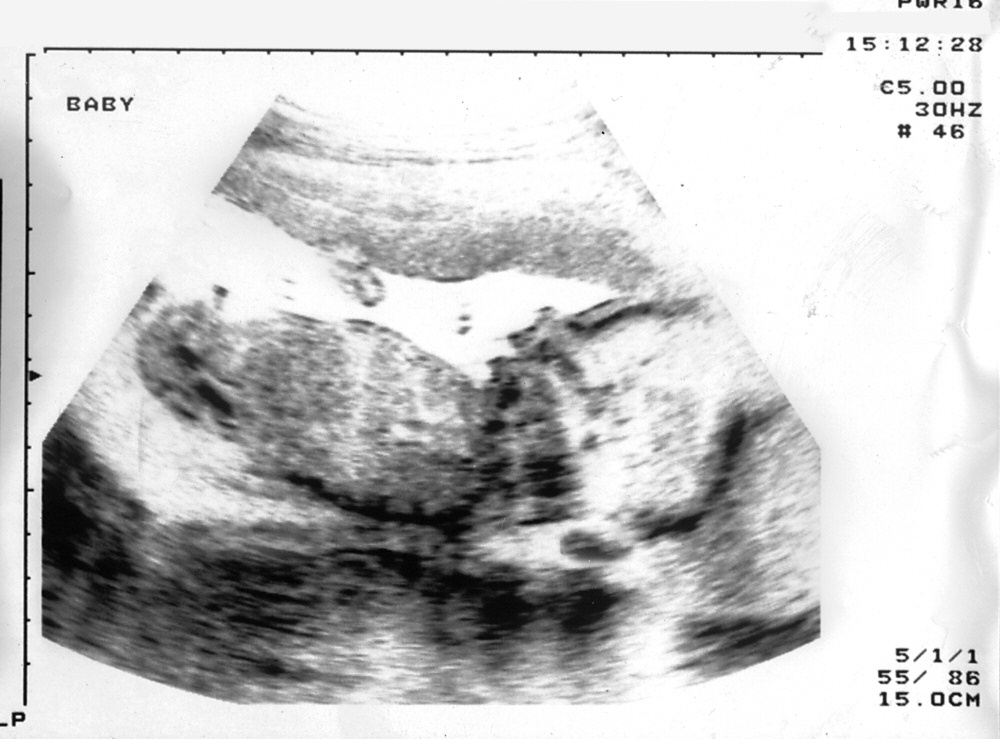
Section titled “Page 2”What is preterm labour? A normal, or term pregnancy lasts 37 to 42 weeks. Labour is a process which happens at the end of the pregnancy. In labour, there are contractions (tightenings) of the uterus (womb) that cause the cervix (opening to the womb) to open. Preterm (premature) labour is labour that starts before 37 completed weeks of pregnancy. What does this mean for my baby? Preterm labour may lead to a preterm birth, that is your baby being born too soon. Preterm babies: • May have trouble breathing, feeding, and keeping warm. • May be more likely to get infections. • May need special care in the hospital. • May have to stay in the hospital after their mother goes home. Although babies born between 34-37 weeks are close to term, they still may have difficulties related to feeding, breathing, etc. The earlier your baby is born preterm, the more likely he or she is to have long term health problems such as: • Blindness. • Difficulty walking. • Problems learning. • Asthma and respiratory infections. Some preterm babies are very small and may not be strong enough to live. Share the information in this pamphlet with your partner and family.
Page 3
Section titled “Page 3”Could this happen to me? Yes, preterm labour can happen to anyone. Even if you are healthy and do “all the right things”, there is still a chance that preterm labour can happen to you. Medical experts do not know all the reasons why labour starts too early. Some women may be more likely than others to have a preterm birth. For example, these may be women who: • Had preterm labour or a preterm baby in the past. • Had several miscarriages. • Had a suture placed in their cervix during the pregnancy or have been told they have a short cervix. • Had a urinary tract infection or certain sexually-transmitted infections. • Had water break before the 37th week. This is called premature rupture of the membranes. • Are pregnant with more than one baby. • Were underweight before getting pregnant or are not gaining enough weight during the pregnancy. • Smoke or take illegal drugs during the pregnancy. • Are under the age of 18 or over the age of 35. • Have a lot of stress or violence in their life. • Do very hard work in a job or at home. • Work shifts; stand for long periods of time at work; work in temperature extremes (like a bakery). One in every 12 babies in Canada is born too soon.
Page 4
Section titled “Page 4”What can I do to reduce the chances of preterm labour? Although it is not possible to prevent all preterm labour from happening, there is still much you can do to help your baby to be born at the right time: • Start prenatal care as early as possible in pregnancy and see your health care provider regularly. • Go to prenatal classes early in your pregnancy. • If you smoke, try to quit or at least cut down. • Take time to lie down or put your feet up during the day. • Follow Eating Well with Canada’s Food Guide. • Listen to your body – notice when things feel “different” and talk to your health care provider about it. • Talk to your health care provider or to a social worker about how to deal with the stress in your life. • If you are being treated for fertility, talk to your health care provider about the risk of having more than one baby. • If you need help dealing with tobacco, drugs or violence issues, talk to your health care provider or to a social worker. • Learn everything you can about preterm labour: – Ask your health care provider questions. – Keep this pamphlet handy. A message for partners: You can help by knowing the signs of preterm labour and what to do if it happens.
Page 5
Section titled “Page 5”How do I know if I am having preterm labour? It is not always easy for a woman to tell if she is having preterm labour. Many of the signs of preterm labour can feel the same as some of the normal things that happen in the second half of pregnancy. There are important signs to watch for, especially if they are new or different from before. Signs & symptoms of preterm labour: • Cramps or contractions in your uterus that are happening more than normal for you or more than four in an hour. Contractions may not be painful in preterm labour. • Cramps or contractions do not go away and/or worsen. • Trickle or gush of fluid, or bleeding, from your vagina. • Lower back pain/pressure, or a change in lower backache. • A feeling that the baby is pushing down. • An increase in the amount of vaginal discharge. Some women may just feel that “something is not right”. A word about contractions Preterm labour contractions can feel different from the normal tightenings that many women feel in the second half of pregnancy: • They may feel more regular. • They do not go away if you move around or lie down. • There may be other signs that happen with the contractions, such as fluid leaking from the vagina or pelvic pressure. A swab may also be done to help your health care provider see if you are at risk of having your baby early. You also need medical care if you have: • Fever, chills, dizziness, vomiting or a bad headache. • Blurry vision or spots before your eyes. • Sudden or severe swelling of your feet, hands or face. • A significant change in your baby’s movement.
Page 6
Section titled “Page 6”What should I do if I think I am in preterm labour? If you have any of the signs of preterm labour, GO TO THE HOSPITAL RIGHT AWAY You must go to the hospital or be seen by your health care provider to be assessed. If you have questions and are not able to speak with your health care provider, call Telehealth Ontario at 1-866-797-0000 to speak to a Registered Nurse. What happens if I am in preterm labour? When you arrive at the hospital, the health care provider will check to see if you are in labour. Some tests and monitoring may be needed. If there are no changes or only very small changes in the cervix: • You will probably get to go home and rest. • Your own health care provider will want to see you soon. Ask your health care provider if it is safe to have sex. If your cervix has started to open or shorten and the health care provider thinks that you might give birth soon, you will be admitted to the hospital for treatment. (You may have to be transferred to a hospital that provides special care for preterm babies.) If you are less than 34 weeks pregnant you will probably receive two doses of a medication to help your baby’s lungs to mature. This medication works best if it is in your body for 48 hours, so you may also receive another medication to delay or stop the labour for at least this amount of time. After this second medication, • Your body may delay labour on its own for a few weeks. • It is also possible that the labour will only be delayed for a short time and that your baby will be born early. Even a little bit of time will help the baby to grow and mature and become more ready for birth. It’s important to get to the hospital early if you are in preterm labour – it can make a big difference to your baby’s health.

Page 7
Section titled “Page 7”If you have any questions after reading this pamphlet, write them down here and talk to your health care provider at your next visit:
Questions my partner has for my health care provider:
Bring this booklet with you the next time you visit your health care provider.



Page 8
Section titled “Page 8”Remember:
Preterm labour can happen to anyone.
Know the signs of preterm labour.
Go to hospital right away if you think
you have preterm labour.
Hospital telephone number:
(ask for the “birthing unit” or “labour triage”)
Health care provider’s number:
This document has been prepared with funds provided by the Government of Ontario.
This information was adapted from a publication produced by the Community
Steering Group of the Ottawa-Carleton Preterm Birth Prevention Program
beststart@healthnexus.ca • www.beststart.org
Photos courtesy of Health Canada © Copyright 2004
2020
Table (Page 8):
| This information was adapted from a publication produced by the Community Steering Group of the Ottawa-Carleton Preterm Birth Prevention Program |
| beststart@healthnexus.ca• www.beststart.org |
| This document has been prepared with funds provided by the Government of Ontario. |
Table (Page 8):
Source: https://resources.beststart.org/wp-content/uploads/2018/12/E06-E.pdf